カテゴリー: Production Model

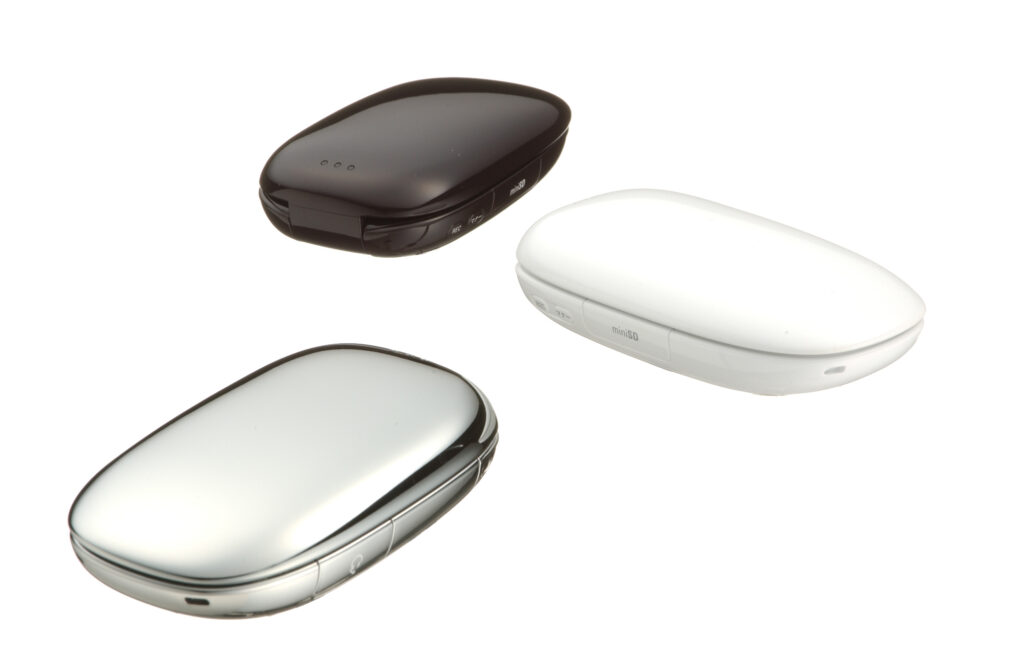
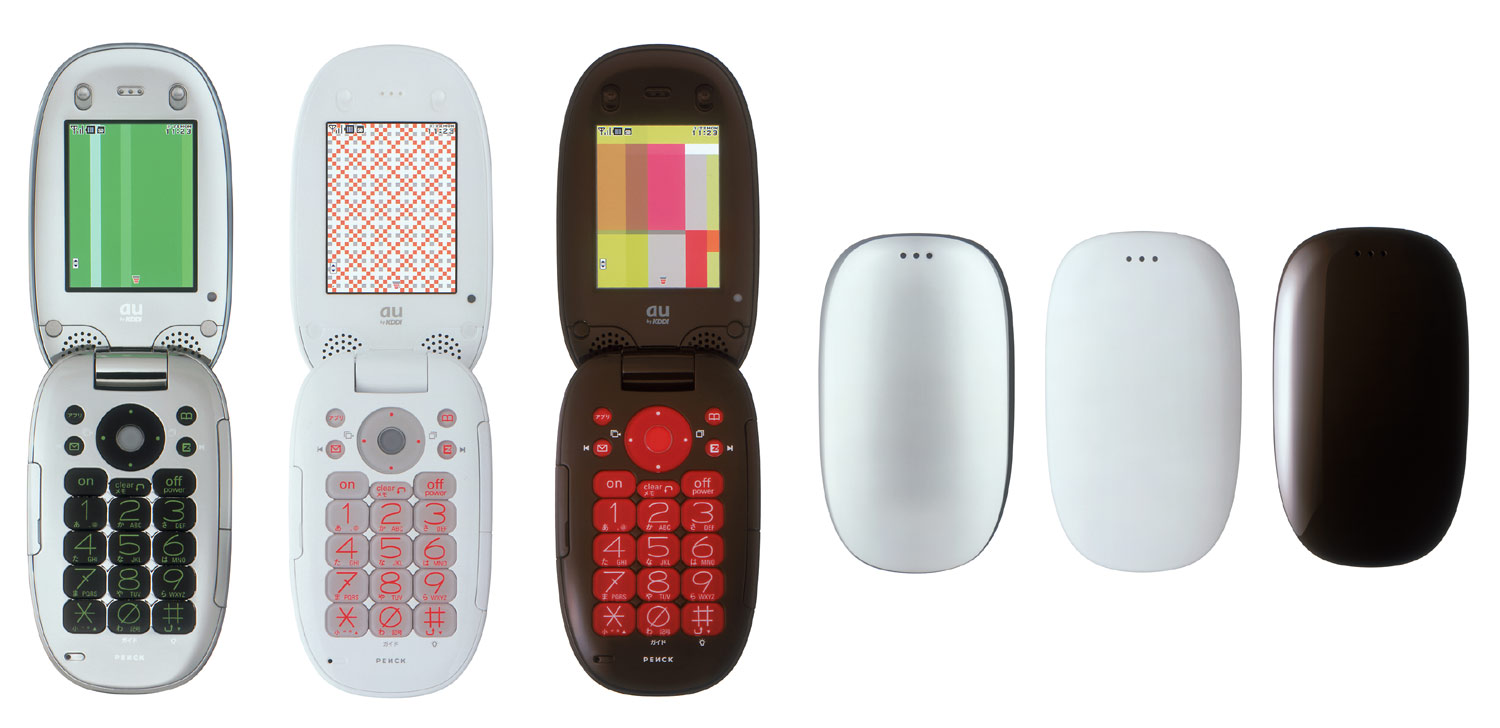
  • PENCK

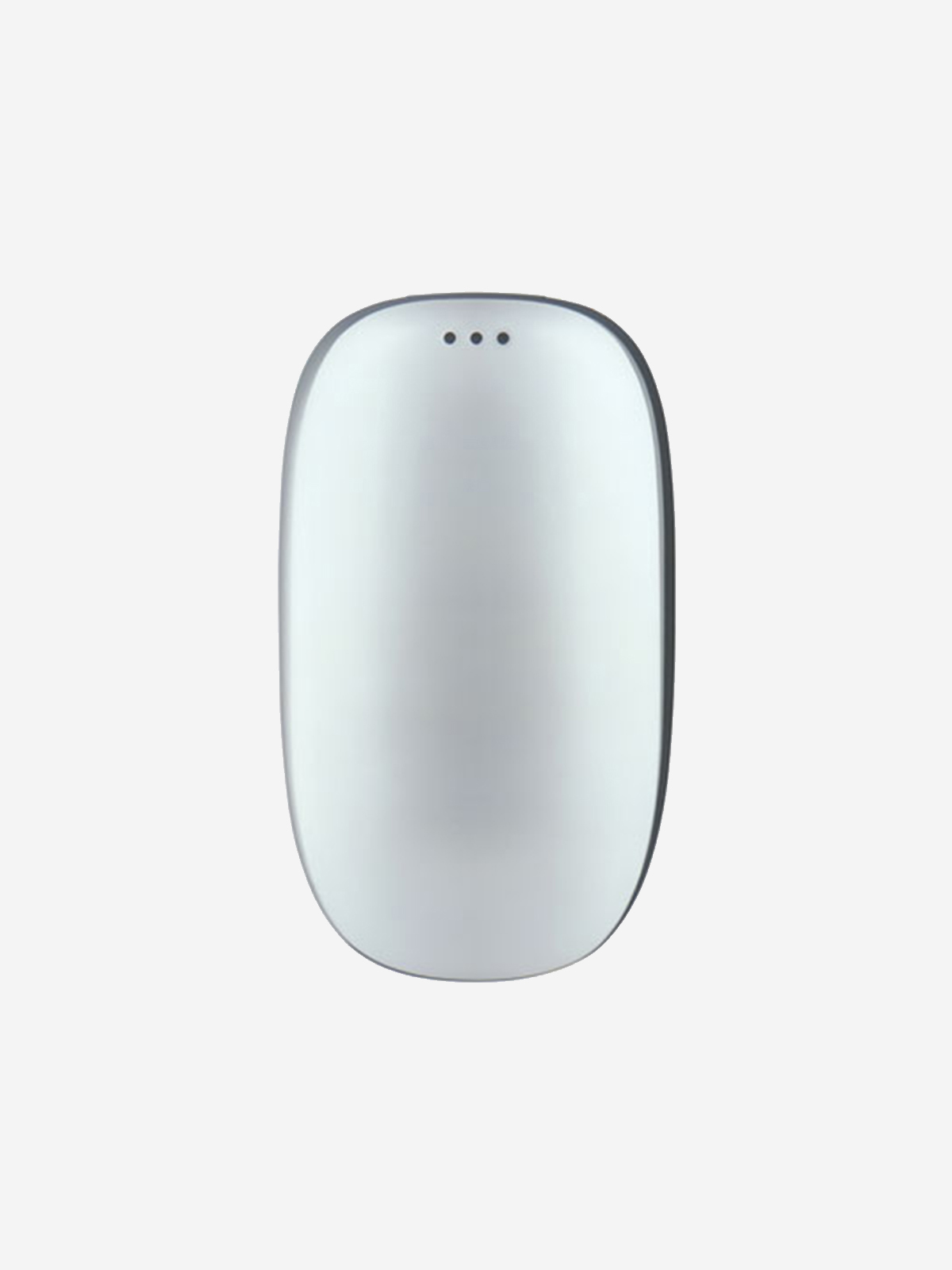
    PENCK

    ANNOUNCEMENT DATE2005.02.07
    RELEASE DATE2005.02.18
    Brandau Design project
    TypeProduction Model
    DesignerMakoto Saito
    ProducerSatoshi Sunahara
    ManufacturerHITACHI
    Size ( W x H x D ) / Weight57 × 98 × 28 mm / 134g
    Materialsplastic, electronic components

    COLOR VARIATIONS

    Metal / Milk / Bitter


    AWARDS

    • 2005 年度グッドデザイン賞 / Good Design Award 2005
    • Chicago Athenaeum Good Design 2005(米 シカゴ建築・デザイン博物館)

    MUSEUM COLLECTIONS


    ABOUT

    金属と電波

    メタルボディの実現は当時のデザイナーそしてエンジニアの憧れでした。金属素材の採用はコストや加工技術上の課題はさることながら、そもそも携帯電話全体を金属で覆ってしまうと電波が遮断されてしまい、携帯電話としての用をなさなくなってしまうことが最大の問題でした。蒸着技術を用いて、樹脂に金属感を与える方法も、結局は金属の薄膜が電波を遮ってしまうため筐体全面に用いることはできませんでした。ところが、電波を通すことのできる「不連続蒸着」という画期的な蒸着技術が現れました。不連続蒸着は金属の並びが連続していないため、その隙間から電波を通過させることができる技術です。PENCK(ペンク)は携帯電話として初めて不連続蒸着を採用し、金属の塊のような筐体を実現しました。au Design projectは加飾技術、塗料・塗装技術など最先端のCMFに果敢に挑戦するプロジェクトでもありました。

    Metal and Radio Waves

    Achieving a metal body was something both designers and engineers aspired to at the time. Beyond the challenges of cost and manufacturing, however, there was a more fundamental problem: covering an entire mobile phone in metal would block radio waves, preventing it from functioning as a phone.

    Vapor deposition offered a way to give resin a metallic appearance, but even the thin layer of metal created by this process blocked radio waves, making it impossible to apply across the entire body.

    Then came a breakthrough technology known as “discontinuous vapor deposition,” which allowed radio waves to pass through. Because the deposited metal particles do not form a continuous layer, radio waves can travel through the gaps between them.

    PENCK was the first mobile phone to adopt discontinuous vapor deposition, making it possible to create a body that appeared almost like a solid mass of metal.

    The au Design project was also a project that boldly explored the cutting edge of CMF, taking on new challenges in decorative finishing, paints, coating technologies, and other advanced surface treatments.
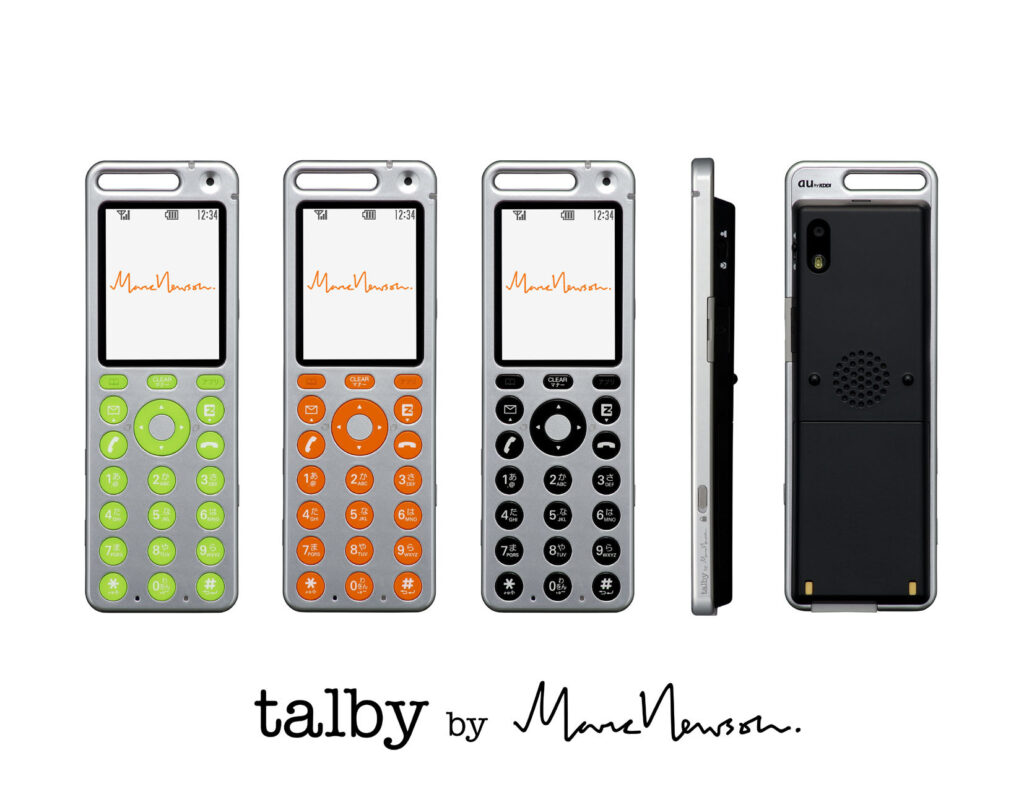
  • talby

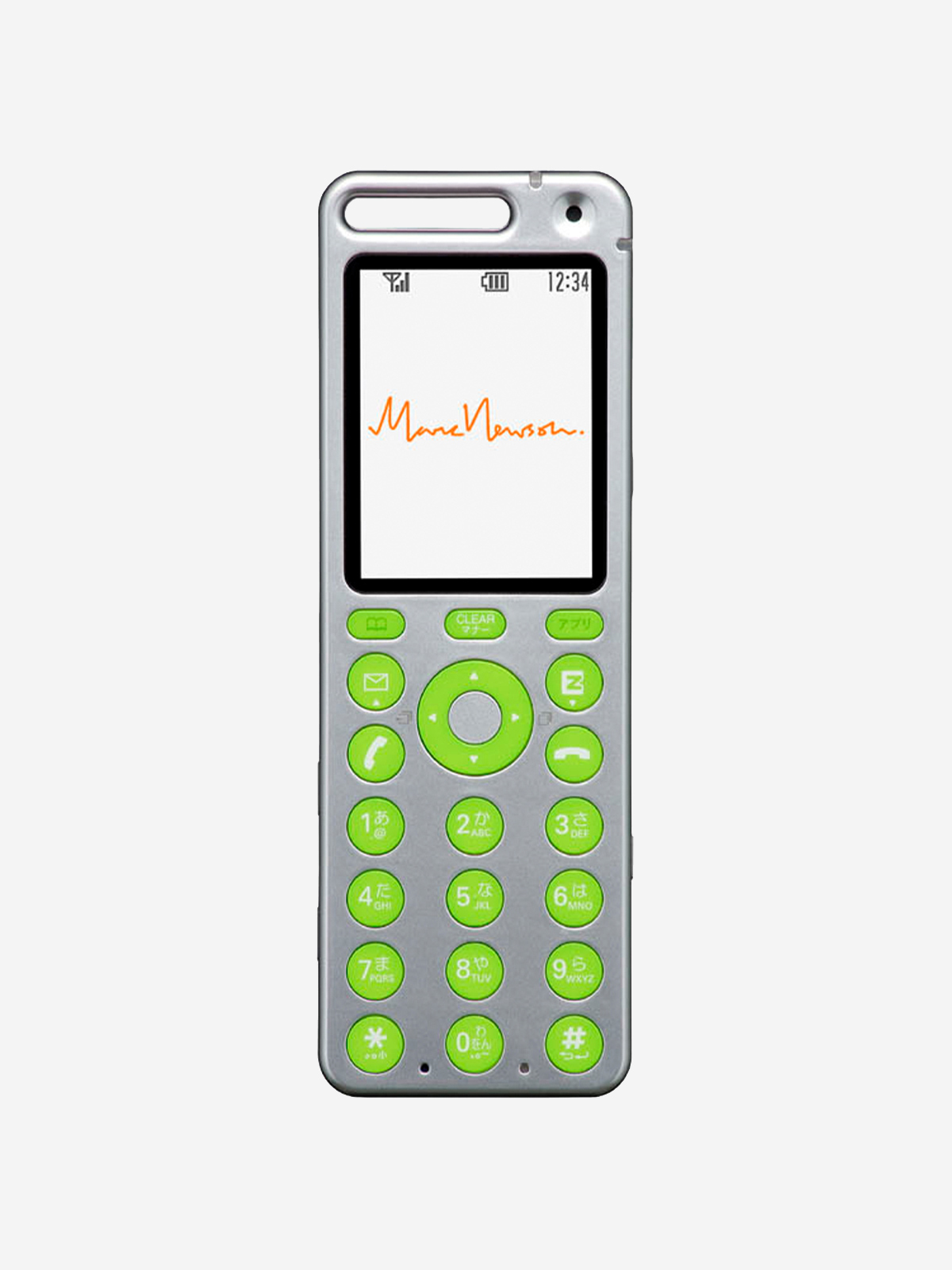
    talby

    ANNOUNCEMENT DATE2004.10.13
    RELEASE DATE2004.11.23
    Brandau Design project
    TypeProduction Model
    DesignerProduct: Marc Newson
    Sound: Nick Wood
    UI: Brendon Smale
    ProducerSatoshi Sunahara
    ManufacturerSANYO Multimedia Tottori
    Size ( W x H x D ) / Weight45 × 132 × 13 mm / 79g
    MaterialsPlastic, electronic components

    COLOR VARIATIONS

    Hornet Green / Orange Orange / Hole Black


    AWARDS

    • 2004年度グッドデザイン賞 / Good Design Award 2004
    • Chicago Athenaeum Good Design 2005 (米 シカゴ建築・デザイン博物館)

    MUSEUM COLLECTIONS


    ABOUT

    アルミユニボディ

    一枚のアルミニウム板を削り出して作られたtalbyコンセプトのユニボディ。当時、切削加工は試作品では用いられても、時間そしてコスト的制約から量産品で採用するのは現実的ではありませんでした。talby 量産化にあたり、talbyコンセプトの美しいユニボディをいかに実現するかが最大の課題でした。アルミプレス加工での再現がまず検討されましたが、側面に継ぎ目が出てしまうことから見送られました。最終的にアルミであることよりもユニボディであることを優先し、樹脂でユニボディ的なフォルムを実現することにしました。量産製品に切削加工を用いる革命を起こしたのはAppleでした。MacBook Air(2008 年)は、アルミ切削加工のユニボディを実現した最初の製品です。当時は、そんな夢のような時代がやってくるとは思いも寄りませんでした。ただ、talbyを片手に「次はAppleと携帯電話のプロジェクトやりたいね」と無邪気に語り、まだ見ぬその姿に思いを馳せていたのでした。

    Aluminum Unibody

    The talby concept featured a unibody machined from a single piece of aluminum. At the time, machining was commonly used for prototypes, but the time and cost involved made it impractical for mass-produced products. The greatest challenge in bringing talby to production was how to reproduce the concept model’s beautiful unibody construction.

    Aluminum press forming was initially considered, but the idea was abandoned because it would have left visible seams along the sides. Ultimately, we decided that preserving the unibody form was more important than using aluminum, and instead created a unibody-like form in resin.

    It was Apple that later revolutionized mass production by introducing machining on an industrial scale. The MacBook Air (2008) was the first Apple product to feature a unibody enclosure machined from aluminum. At the time, we could hardly have imagined that such a seemingly dreamlike future would soon become reality.

    Still, with talby in hand, we would innocently say to each other, “Next time, it would be great to do a mobile phone project with Apple,” and imagine what such a phone—one that did not yet exist—might look like.


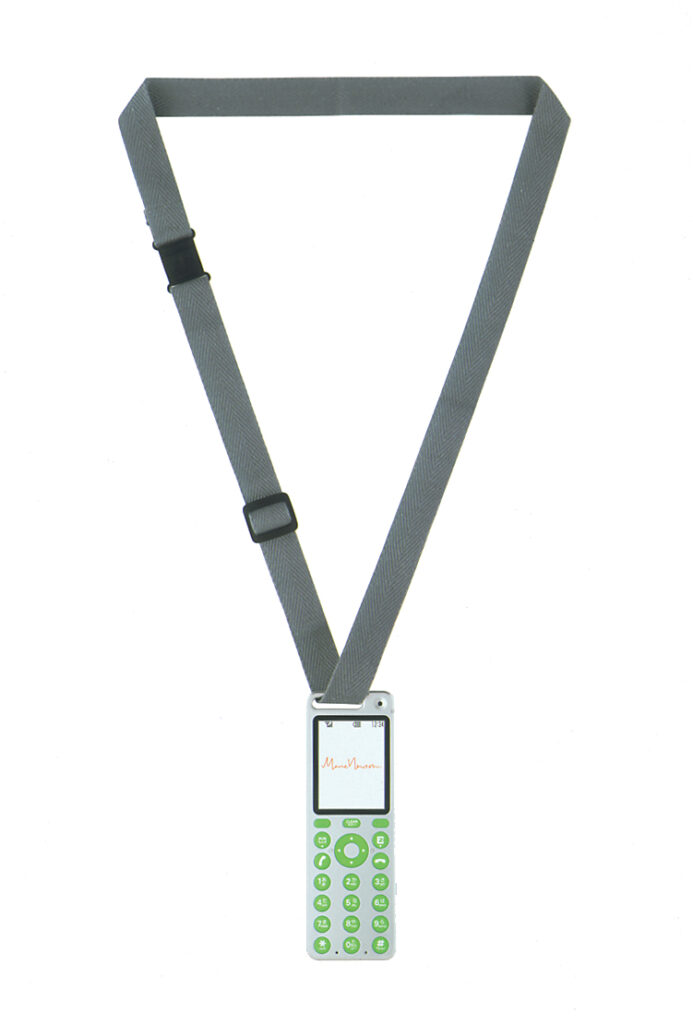
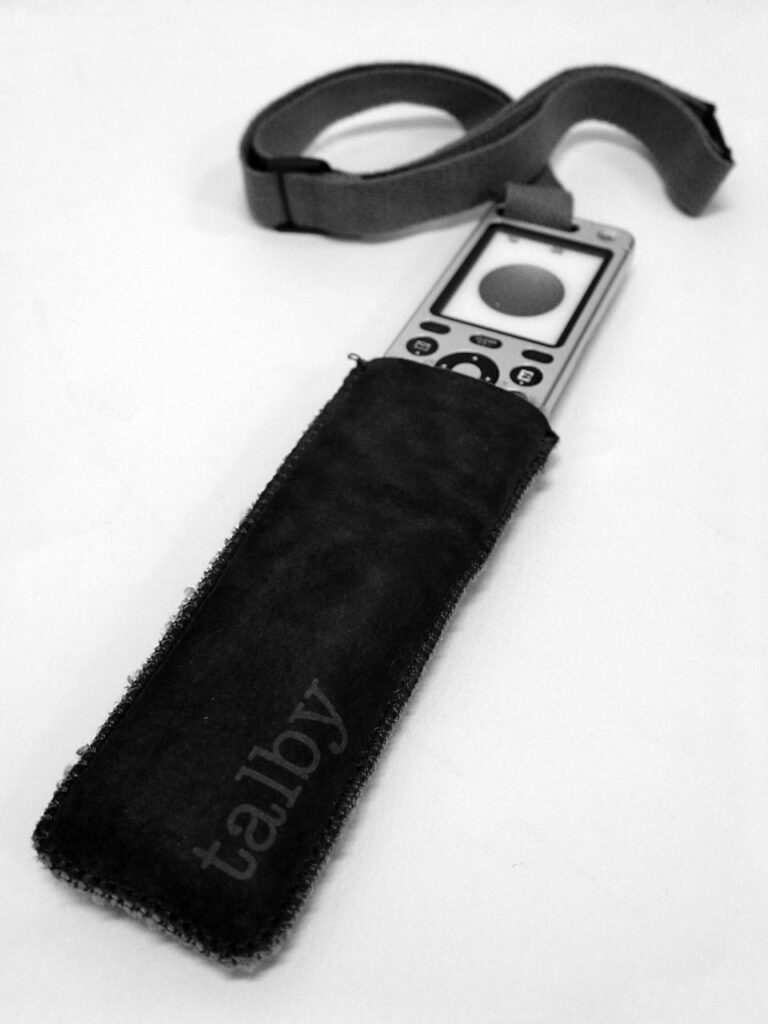
    コットン製ストラップ / Cotton Strap
    BEAMSとのコラボレーションにより150 個限定で発売されたMarc Newsonデザインのムートン製ケース / A Marc Newson-designed sheepskin case, released in a limited edition of 150 through a collaboration with BEAMS CD: Yoshikage Kagiwara
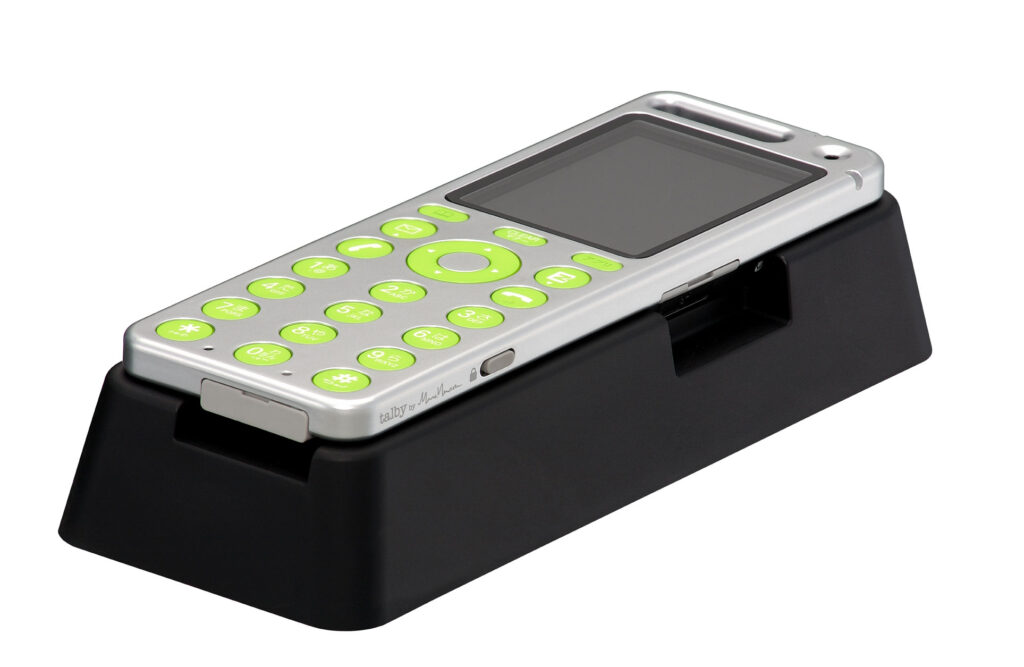
    卓上ホルダ / Desktop Charging Cradle
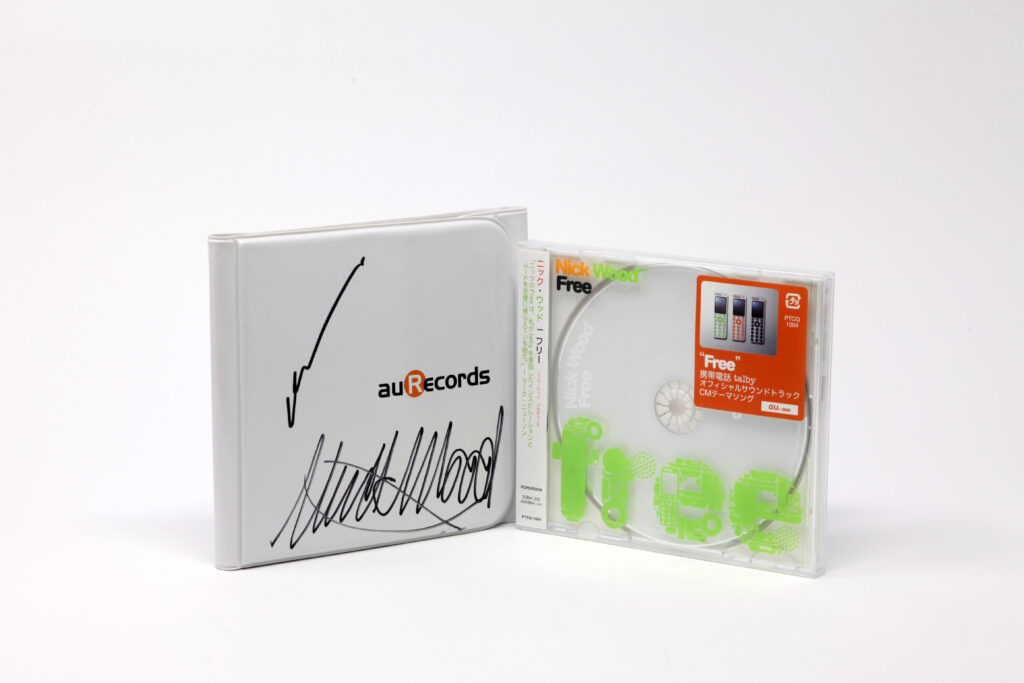
    Marc Newsonの友人である音楽プロデューサー・Nick Woodが手がけたtalby CM 曲「Free」のCDとMarc Newson、Nick Woodのサイン入りCDケース / The CD single of “Free,” the talby commercial song produced by Marc Newson’s friend, music producer Nick Wood, together with its CD case signed by Marc Newson and Nick Wood
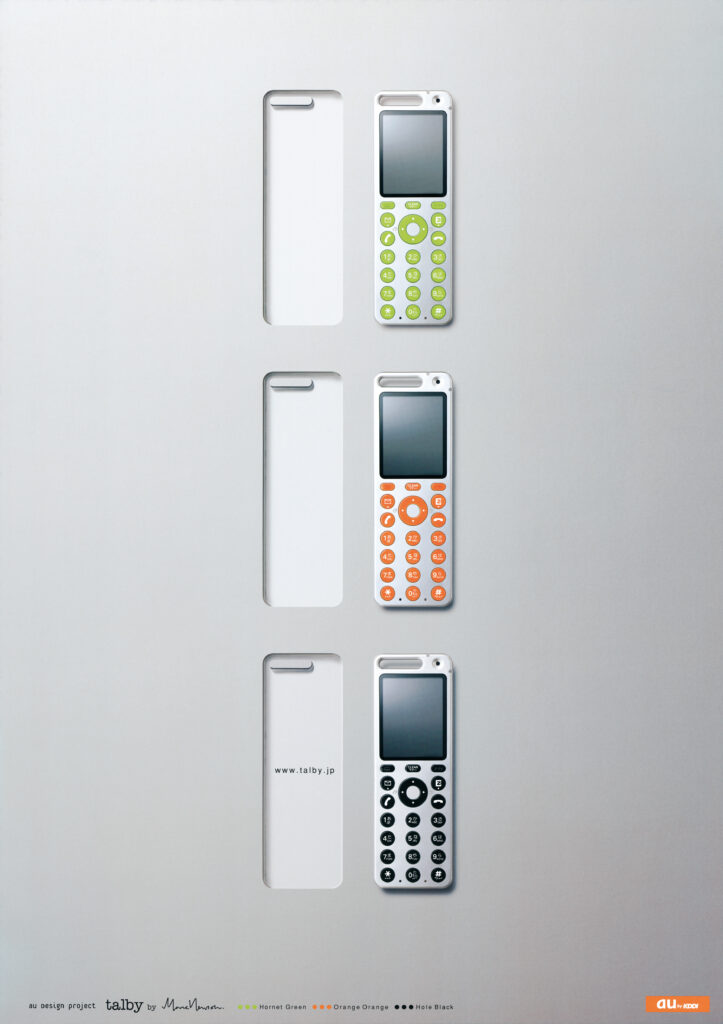
    talby ポスター / talby poster CD: Yukio Oshima

    あなたのことは今でも好きです。

    でも私たちはきっと

    1000回もメールをやりとりして、

    たぶん心は1センチくらいしか

    近づけませんでした。


    I still love you.

    We must have exchanged

    1000 e-mails.

    But our hearts only got closer

    by 1 centimeter.


    新海誠監督『秒速5センチメートル』とtalby

    新海誠監督のアニメーション映画『秒速5センチメートル』(2007年)。第三話には、遠野貴樹と交際していた水野理紗の携帯電話として、au Design projectの「talby」が登場します。

    画面に刻まれた日付と時刻、メール、手に取られるtalby。短いカットの積み重ねが、二人の間を流れた時間と、近づけなかった心の距離を静かに伝えます。

    人と人をつなぐために生まれたケータイは、ときに、二人のあいだにある距離を映し出すものでもありました。いつでも、どこでも、誰かとつながれるようになった今、私たちの距離は近くなったのでしょうか。


    5 Centimeters Per Second and talby

    In Makoto Shinkai’s animated film 5 Centimeters Per Second (2007), an au Design project talby appears in the third chapter as the mobile phone used by Risa Mizuno, who was in a relationship with Takaki Tono.

    Dates and times on the screen, emails, and a talby in hand. These brief shots quietly convey the time that passed between them̶and the emotional distance they could not close.

    Mobile phones were created to connect people, yet sometimes they also revealed the distance between them. Now that we can connect with anyone, anytime, anywhere, have we really grown any closer?

    © Makoto Shinkai / CoMix Wave Films

  • W11K

    W11K

    ANNOUNCEMENT DATE2003.10.22
    RELEASE DATE2003.12.20 (KURO) / 2003.12.23 (AKA, SHIRO)
    Brandau Design project
    TypeProduction Model
    DesignerNaoto Fukasawa
    ProducerSatoshi Sunahara
    ManufacturerKYOCERA
    Size ( W x H x D ) / Weight50 × 100 × 30 mm (miniSDジャケット装着時厚さ34mm)/ 128g(ジャケット装着時136g)
    MaterialsPlastic, electronic components

    COLOR VARIATIONS

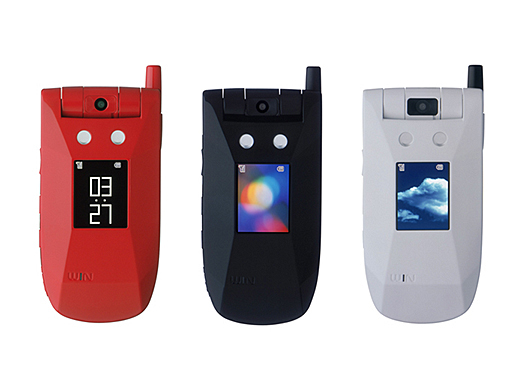
    AKA / KURO / SHIRO


    MUSEUM COLLECTIONS


    ABOUT


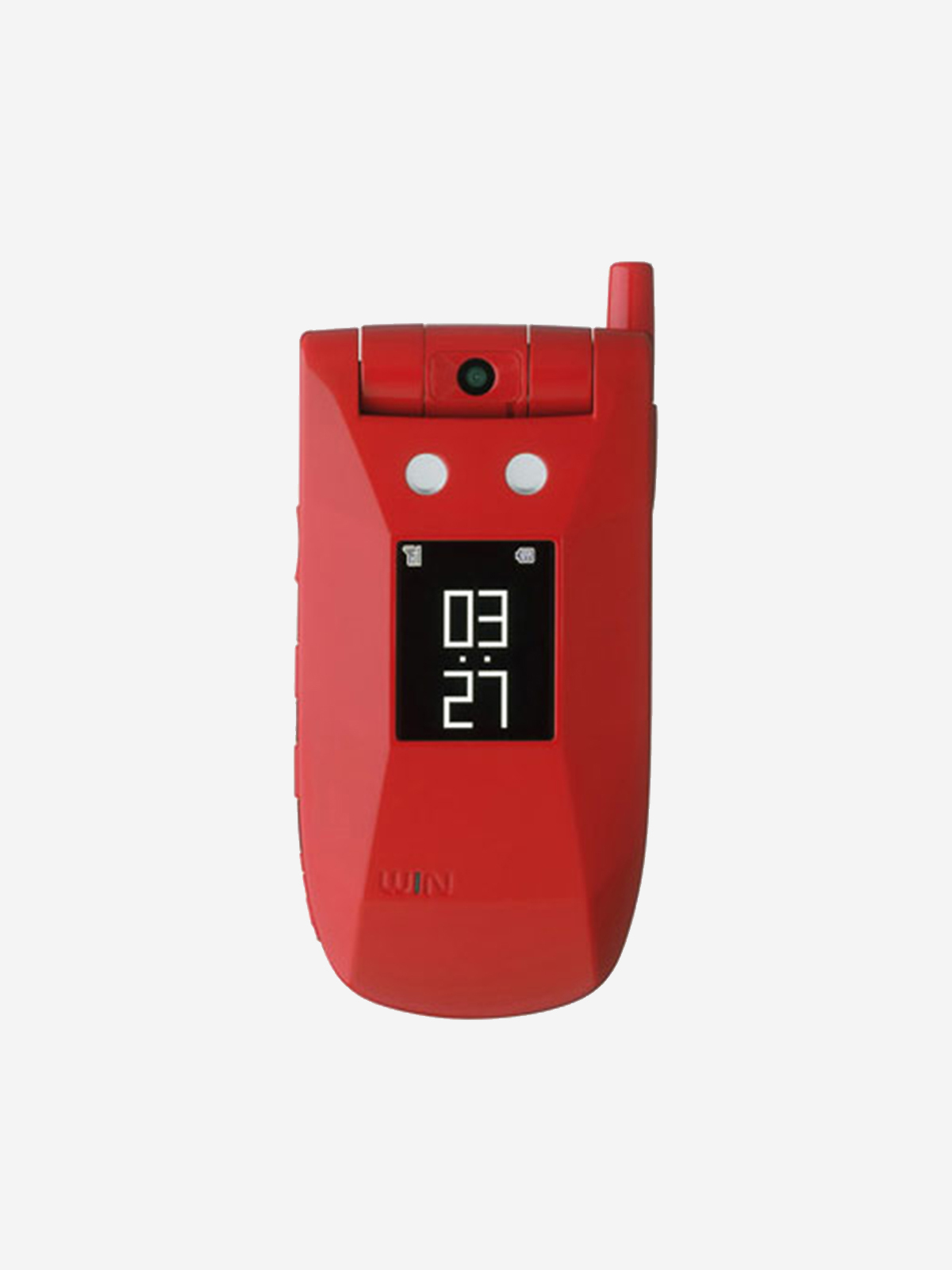
    丸と多面体

    au の高速データ通信サービス「CDMA 1X WIN」開始に伴い開発された携帯電話です。当初、WIN 対応機として投入が予定されていたのは「W11H」1 機種のみでした。しかし、新サービス開始に相応しい端末バリエーションを用意すべく、W11Hをベースにした兄弟機を開発する計画が持ち上がりました。丸いフォルムのW11Hに対してどれだけ異なる印象を持った製品に仕立てることができるか。この問いに対し出された解は「丸いかたちを多面にそぎ落としたかたち」(深澤直人)。私たちの前に現れたのは、W11Hの丸いフォルムと見事な対照をなす多面体フォルムでした。W11Kは、ユーザーから「ガンダムケータイ」と呼ばれ親しまれましたが、深澤さんの頭の中にあったのは、包丁で皮を削いで多面になった「じゃがいも」。じゃがいもを水洗いしている時の、鈍角のエッジが手のひらにあたる心地いい感触をモチーフに生まれた形です。

    Rounded and Faceted

    The W11K was developed for the launch of au’s high-speed data communication service, “CDMA 1X WIN.” Initially, only one WIN-compatible model, the W11H, was scheduled for release. However, in order to offer a broader range of handsets worthy of the launch of a new service, a plan emerged to develop a sister model based on the W11H.

    The challenge was how to create a product with a distinctly different character from the W11H and its rounded form. Naoto Fukasawa’s answer was “a shape created by shaving a rounded form down into multiple facets.” The result was a striking faceted form that stood in sharp contrast to the soft, rounded form of the W11H.

    The W11K became affectionately known among users as the “Gundam phone.” But what Fukasawa actually had in mind was a potato—its skin pared away with a kitchen knife, leaving behind a faceted form. The design was inspired by the pleasant tactile sensation of the potato’s gently angled edges pressing against the palm as it is washed in water.

  • INFOBAR

    INFOBAR

    ANNOUNCEMENT DATE2003.10.06
    RELEASE DATE2003.10.31
    Brandau Design project
    TypeProduction Model
    DesignerNaoto Fukasawa
    ProducerSatoshi Sunahara
    ManufacturerSANYO Multimedia Tottori
    Size ( W x H x D ) / Weight42 × 138 × 11 mm / 87g
    MaterialsMagnesium alloy, plastic, electronic components

    Details
    Outer Frame: Magnesium alloy
    Rear Body (Camera Side): PC/ABS
    Display Panel / Camera Panel / Tile Keys: PMMA
    Antenna Top / Mail / Memo / EZ Button: ABS
    Center Key / Camera Key / App Key / Battery Pack: PC
    Earphone Cover / Terminal Cover: Elastomer
    Lock Button / Battery Pack Lock: Polyacetal (POM)

    COLOR VARIATIONS

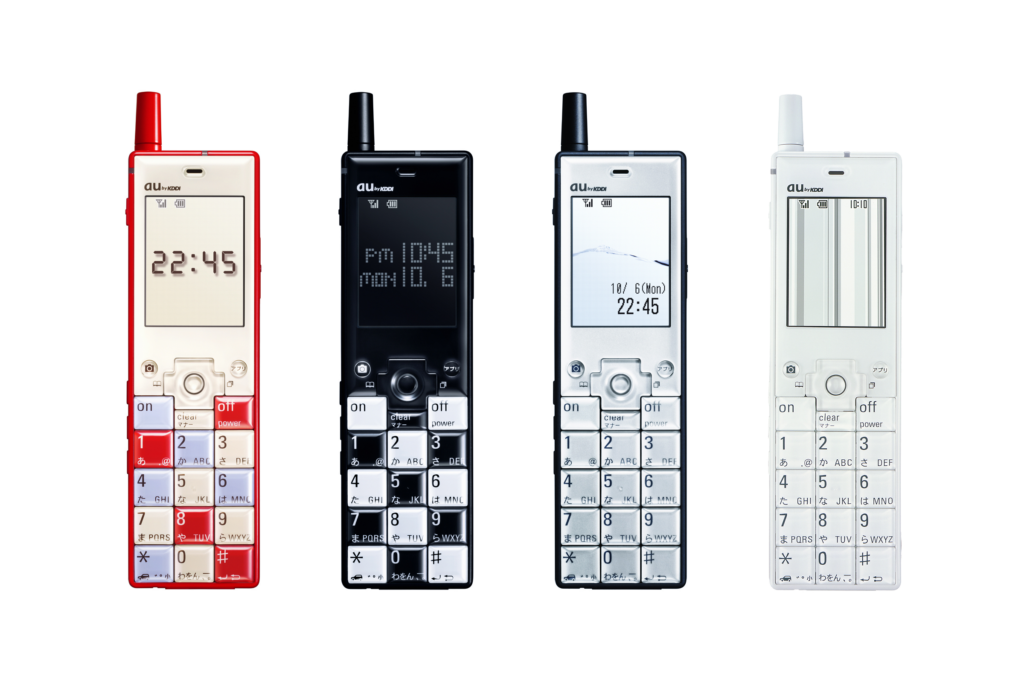
    NISHIKIGOI / ICHIMATSU / BUILDING / ANNIN


    AWARDS

    • 2003年度グッドデザイン賞 / Good Design Award 2003
    • 2004年度アジアデザイン賞 大賞 (中・香港)/ DFA Design for Asia Awards Grand Award
    • iF DESIGN AWARD 2005 (独・ハノーバー iFデザイン賞)
    • 小学館『DIME』「2003小学館 DIMEトレンド大賞」ビジネス・IT部門金賞
    • ソニーマガジンズ『デジモノステーション』「デジモノ オブ ザ イヤー 2003」通信・モバイル部門賞、審査員特別賞
    • マガジンハウス『POPEYE』「’03 デジタル・デザイン・オブ・ザ・イヤー」金賞
    • インプレス『ケータイWatch』「読者が選ぶ ケータイ of the Year 2003」1位
    • モノ・マガジン「スーパーグッズ・オブ・ザ・イヤー」審査員特別賞、デザイン賞

    MUSEUM COLLECTIONS


    ABOUT

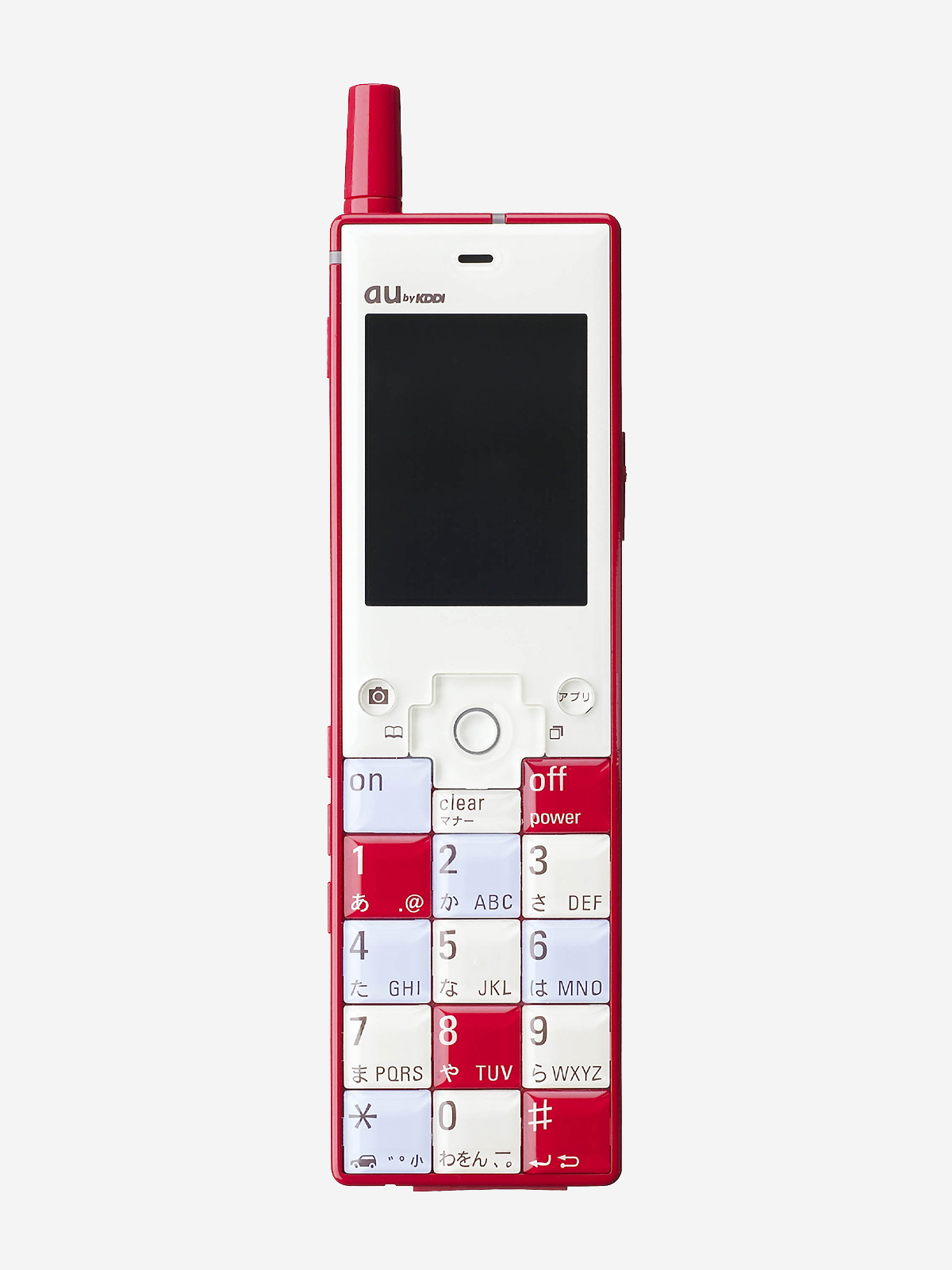
    デザインケータイの原型

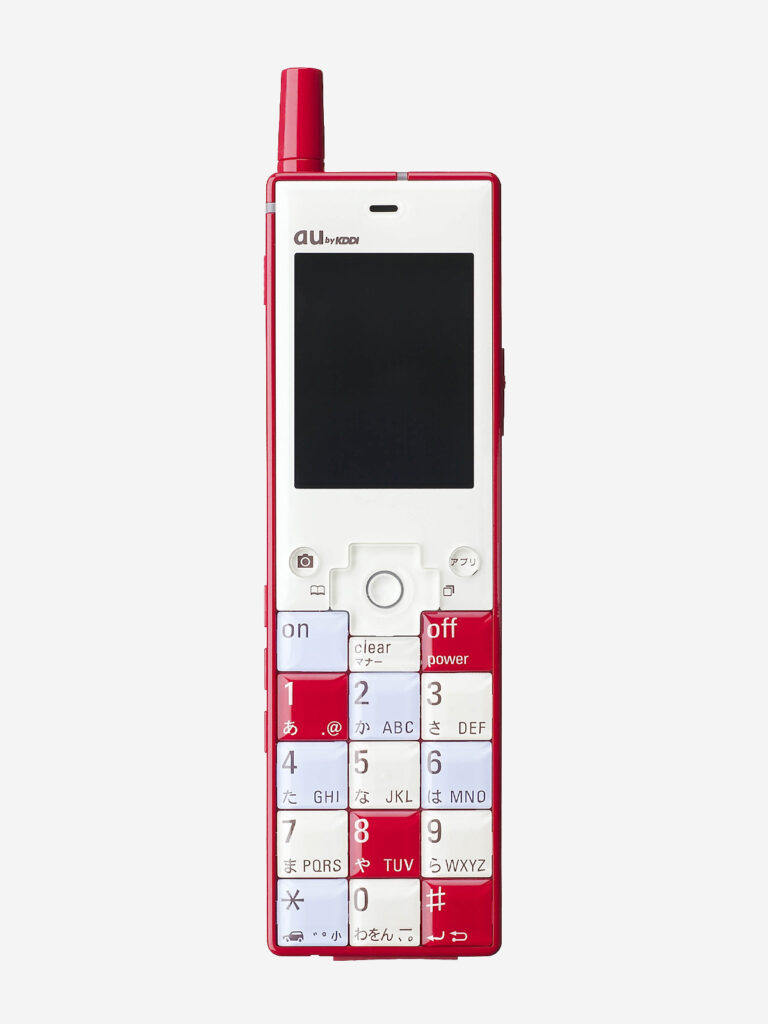
    2001 年5月に発表したコンセプトモデルinfo.barは、携帯電話のメインストリームが捉えていなかった「デザインのいい携帯電話が欲しい」という漠然とした潜在ニーズを概念化し具体化しました。そして、発表するや否や「これが欲しかった!」と多くの人から共感を得たのでした。しかし、コンセプトとして発表することと、それを製品化することの間には実に大きな溝があります。初の自社企画製品だったこともあり、開発着手に漕ぎつけるまでには紆余曲折、1年半の歳月を要しました。さらに開発に1 年、さまざまな技術的課題を乗り越えて、2003 年10月、au Design project 第1 弾としてINFOBARは鮮烈なデビューを果たしました。折りたたみ式の携帯電話が全盛期を迎えつつあった時代、ストレート式のボディに「NISHIKIGOI」や「ICHIMATSU」など斬新なカラーを纏ったINFOBARのインパクトは、auブランドにも影響を与え、auはデザイン力の高いブランドとして認知されるようになったのでした。INFOBARは「デザインケータイ」のパイオニアとして今なお愛され続けています。

    The Prototype for the Design Phone

    The concept model info.bar, unveiled in May 2001, gave form to a vague but latent desire that the mainstream mobile phone market had yet to recognize: “I want a well-designed mobile phone.” The moment it was unveiled, it resonated with many people, who responded, “This is what I’ve been waiting for!”

    However, there is a considerable gap between presenting a concept and turning it into an actual product. As this was also our first independently conceived product, the road to development was far from straightforward, and it took a year and a half before the project could officially get underway. Another year of development followed, during which we overcame a wide range of technical challenges.

    Finally, in October 2003, INFOBAR made its striking debut as the first product of au Design project.

    At a time when folding mobile phones were becoming dominant, INFOBAR made a powerful impression with its straight body and bold color schemes such as NISHIKIGOI and ICHIMATSU. Its impact extended beyond the product itself to the au brand, helping establish au as a brand with a strong reputation for design.

    As a pioneer of the “design phone,” INFOBAR continues to be loved to this day.


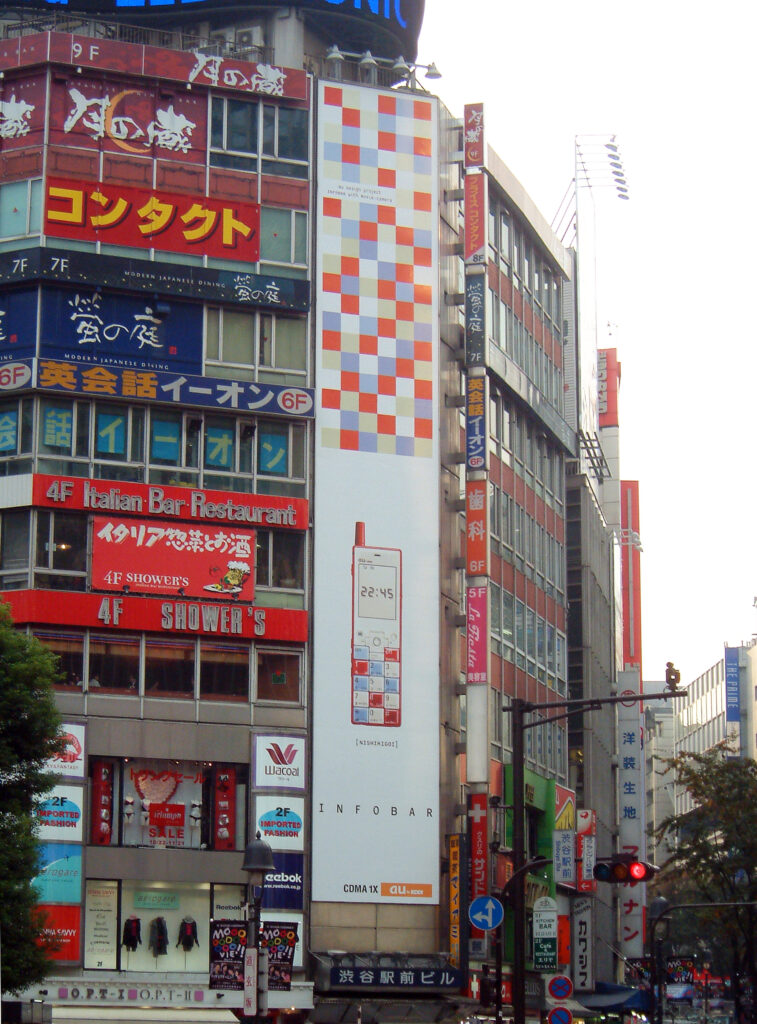
    INFOBAR発売初日(2003年10月31日)渋谷スクランブル交差点にて / On the first day of INFOBAR sales (October 31, 2003) At Shibuya Scramble Crossing Photo: Satoshi Sunahara
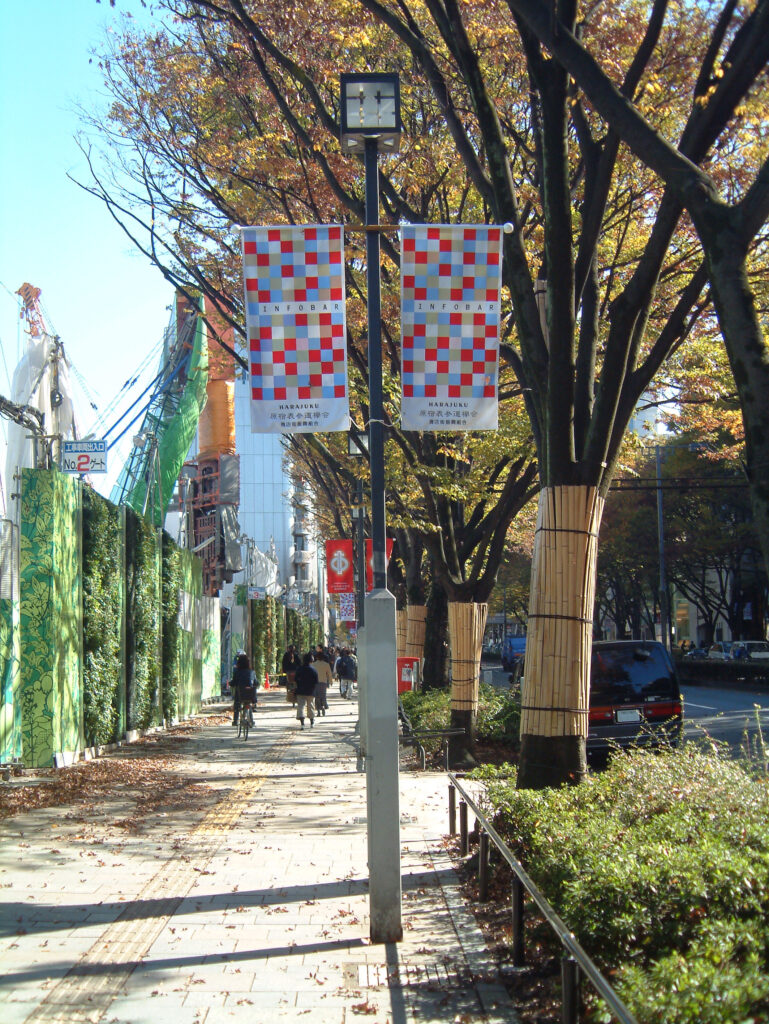
    2003年11月、表参道にて(左は建設中の表参道ヒルズ)/ Omotesando, November 2003 (Omotesando Hills under construction on the left) Photo: Satoshi Sunahara