
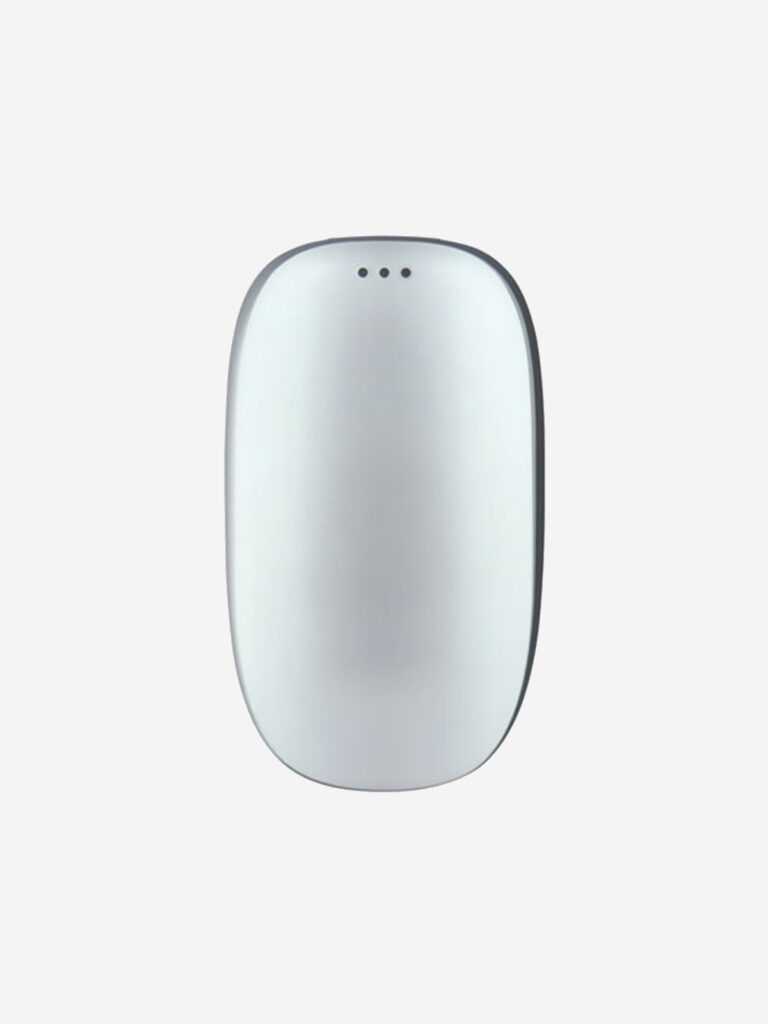
| ANNOUNCEMENT DATE | 2005.02.07 |
| RELEASE DATE | 2005.02.18 |
| Brand | au Design project |
| Type | Production Model |
| Designer | Makoto Saito |
| Producer | Satoshi Sunahara |
| Manufacturer | HITACHI |
| Size ( W x H x D ) / Weight | 57 × 98 × 28 mm / 134g |
| Materials | plastic, electronic components |
COLOR VARIATIONS
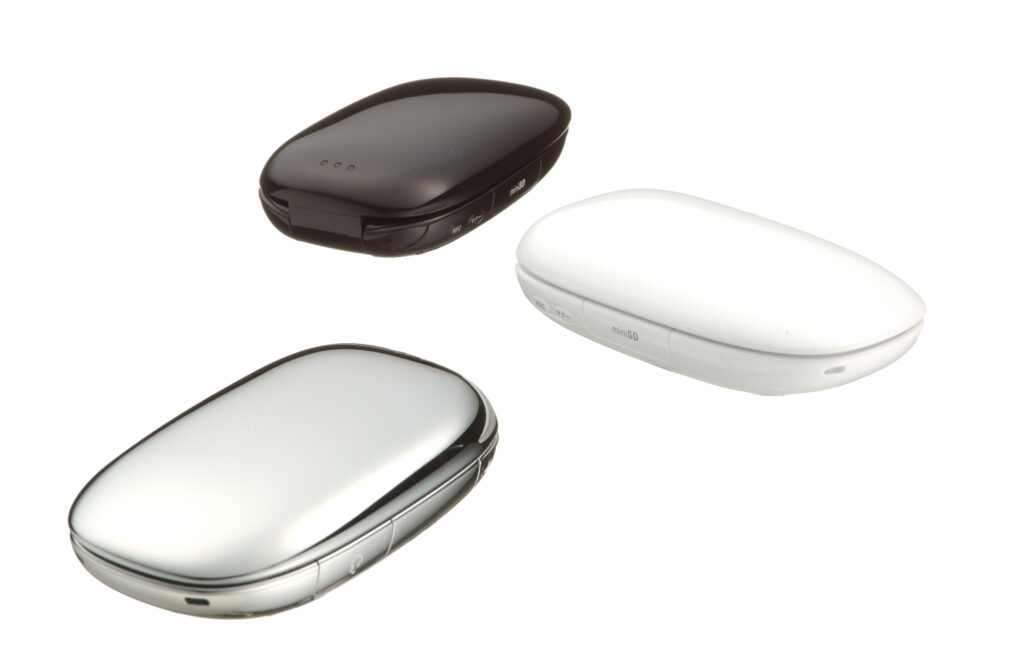
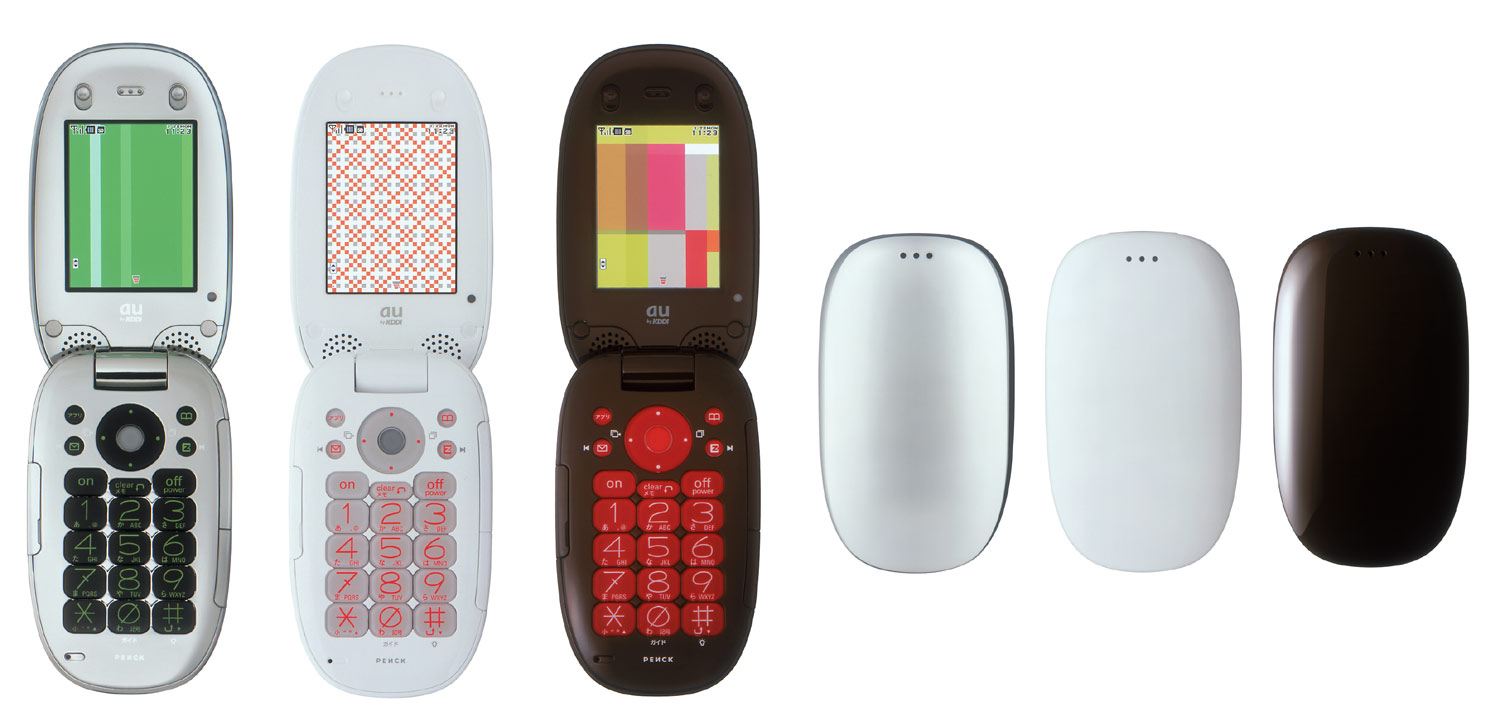
Metal / Milk / Bitter
AWARDS
- 2005 年度グッドデザイン賞 / Good Design Award 2005
- Chicago Athenaeum Good Design 2005(米 シカゴ建築・デザイン博物館)
MUSEUM COLLECTIONS
ABOUT
金属と電波
メタルボディの実現は当時のデザイナーそしてエンジニアの憧れでした。金属素材の採用はコストや加工技術上の課題はさることながら、そもそも携帯電話全体を金属で覆ってしまうと電波が遮断されてしまい、携帯電話としての用をなさなくなってしまうことが最大の問題でした。蒸着技術を用いて、樹脂に金属感を与える方法も、結局は金属の薄膜が電波を遮ってしまうため筐体全面に用いることはできませんでした。ところが、電波を通すことのできる「不連続蒸着」という画期的な蒸着技術が現れました。不連続蒸着は金属の並びが連続していないため、その隙間から電波を通過させることができる技術です。PENCK(ペンク)は携帯電話として初めて不連続蒸着を採用し、金属の塊のような筐体を実現しました。au Design projectは加飾技術、塗料・塗装技術など最先端のCMFに果敢に挑戦するプロジェクトでもありました。
Metal and Radio Waves
Achieving a metal body was something both designers and engineers aspired to at the time. Beyond the challenges of cost and manufacturing, however, there was a more fundamental problem: covering an entire mobile phone in metal would block radio waves, preventing it from functioning as a phone.
Vapor deposition offered a way to give resin a metallic appearance, but even the thin layer of metal created by this process blocked radio waves, making it impossible to apply across the entire body.
Then came a breakthrough technology known as “discontinuous vapor deposition,” which allowed radio waves to pass through. Because the deposited metal particles do not form a continuous layer, radio waves can travel through the gaps between them.
PENCK was the first mobile phone to adopt discontinuous vapor deposition, making it possible to create a body that appeared almost like a solid mass of metal.
The au Design project was also a project that boldly explored the cutting edge of CMF, taking on new challenges in decorative finishing, paints, coating technologies, and other advanced surface treatments.